



Ctrl Alt CEO in MENA: The Biggest win of tokenization is liquidity, ownership and tradability
One of the first UAE governmental tokenization projects to kick off and go live was DLD (Dubai Land Department), Prypco tokenized properties tokenized registry, soon followed by a live secondary market for trading these property tokens.
The token issuer and infrastructure partner for the project was Ctrl Alt. Ctrl Alt is integrated directly with the DLD to synchronize both digital and traditional real estate ledgers, ensuring coordination between the on-chain and the conventional property registration system.
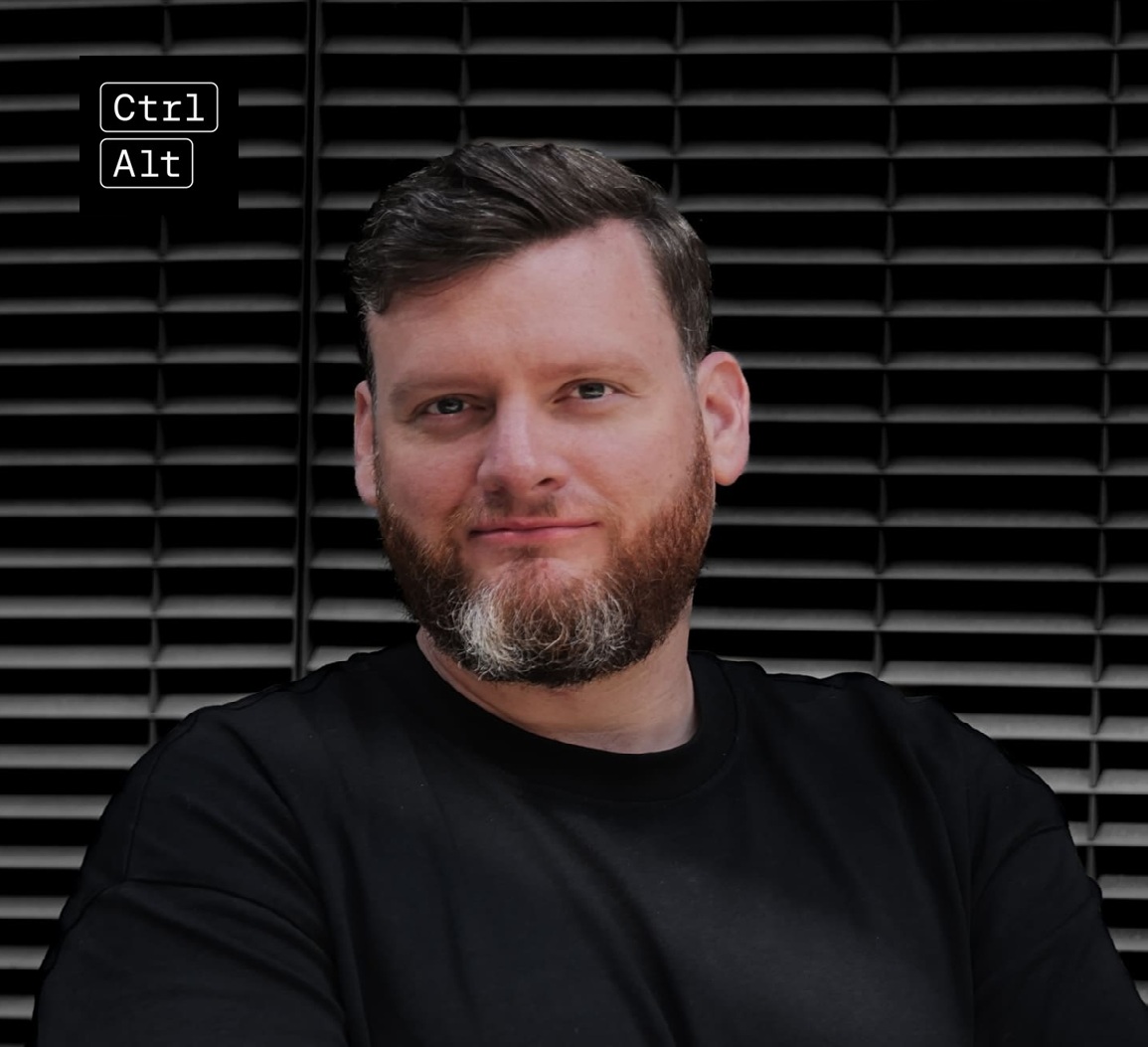
Robert Farquhar CEO Ctrl Alt MENA spoke with Lara on the Block to discuss the challenges and benefits of the DLD, and Prypco property tokenization platform and secondary market. For Farquhar while it was a great achievement to have created tokens linked to each asset on the DLD registry where every UAE citizen and resident received a token, representing an actual title deed, what was even more important was the liquidity element.
Farquhar explained that they have a lot of tokens per property, each asset is a token, so people don’t own 0.0001 they own like 500 tokens, and with 10 properties that is a lot of tokens. He notes that the secondary market has been doing very well.
He explained, “We took a sector, the property sector that is known for having high yields, and low risk and low liquidity to one that has higher liquidity. Our job was to manage the trades, update the blockchain, and update the DLD land registry for transparency.”
Every single trade is checked by Prypco and Ctrl Alt. DLD then sees those approval and automatically executed those trades. Trades are happening in seconds rather than months, and the tokenization of DLD title deeds was the first in the world in a live environment. The platform is also easily scalable and can manage hundreds of thousands of trades.
But to Farquhar this is just the beginning, moving forward they will be able to add micro loans, mortgage loans, DeFi lending pools, and offer those on exchanges with a wider market.
He asserts that every distributor will have their own secondary market, their own applications, which could then be fed through an independent exchange where all those tokenized real estate assets could be traded. He states, “This is when liquidity really opens up and that is exciting.”
There is no issue with putting these tokenized assets on token or digital asset exchanges because in the end the custodian is Prypco, they look after the physical asset, while the exchange doesn’t manage the assets. There will be contractual rights and KYC AML procedures between exchanges and token distributors, and this is the biggest challenge.
He gives an example of how smaller Wealth management providers sign their clients up to third party platforms so that everyone holds the correct level of KYC for that investor. He states, “ If you can build it at the station layer it is better. So far it is mostly siloed, and regulators must sign off when it comes to tokenized offerings.”
He does note that in the UAE, if UAE Pass is used then investors will just need to sign in, you get a message on your phone and you accept and your KYC data will be added to that platform smoothly.
While the secondary market is doing well, the war in the Gulf region did have an effect. Currently users can trade at a premium of 15% or a discount of 15% like Dubai Financial Market.
The most interesting part of the entire process is the ability to trade 24/7. Farquhar explains, “With fractionalized crowdfunding for example investors could only trade or sell or buy once every six months, but with tokenized marketplaces trading is 24/7.”
The Benefits and Learning experiences from the DLD Tokenization project
Farquhar believes that the biggest benefit is liquidity and ownership. He notes that there were a lot of discussions with lawyers and governmental entities on how to grant rights into these tokens, and in the end, they didn’t grant rights but the token was an actual land registry and the token was a mechanism to move that, where on which the registry would be updated and that benefit is “massive”.
The second benefit is the democratization of property assets, offering more shares at affordable costs.
As for the biggest learnings from the experience is that while the underlying technology is the easy part, and making it work 24/7 robustly is also not difficult, the hardest part is the legal and regulatory area. Questions like how things are controlled, what controls are in place for the token and closing the looped system were the biggest challenges.
Another vey important learning point, is the need to educate investors and assure that they are being offered the accurate information to make informed decisions. Ctrl Alt also ensured that it was simple and safe to trade on the secondary market by offering custodial services through Ripple. Farquhar also adds, “Even if the platform is hacked, the tokens can be burned and reminted because DLD system has a record of who owns what.”
What is Next with DLD property tokenization platform
The property tokenization market will need to include crypto or digital asset payment mechanisms, something that DLD itself has said it was working on. The delay is not related to Ctrl Alt or Prypco or even DLD it is the responsibility of distribution partner who will be the main drivers.
Farquhar welcomes crypto and stablecoin payments as essential because it allows for the atomical settlement of trades. He explains, “What is the point of having 24/7 tradable assets if you are still using traditional financial rails. It is coming and a lot of platforms have built in digital asset payments into their systems, and some will run solely on stablecoins.”
He adds that the current regulation of AED stablecoins is where the functionality will truly open.
In Conclusion, the biggest success for Farquhar will come when is when this is opened to international investors and for off-plan property developments. He explains, “The biggest problem that investors in off-plan developments face is minimum payment requirements which is usually 50% while still having to pay rent for another property. With tokenization I can buy a more affordable share and see returns that mirror that investment while also being able to trade when required.”
The Future of Tokenization in the Region
The CEO of Ctrl Alt states clearly that every major governmental and financial institution is talking about tokenization in the region and globally. He also notes that the focus should be on impactful and meaningful, or else the industry will be devaluing what tokenization can bring.
Once again like many others before him Farquhar says in future years everything will be tokenized.
The bulk of their projects so far have been in the fund realm. Mirae Asset Global Investments, a multinational asset manager with operations in Korea and India and over $353 billion in assets under management, is tapping into the tokenization expertise of UAE regulated Ctrl Alt, to pioneer fund tokenization in the UAE. Additionally, they are also working with fund managers in ADGM.
Other than funds, Billiton Diamond, a Dubai based diamond management and auction services provider of rough and polished diamonds UAE regulated tokenization provider Ctrl Alt, have tokenized $280 million worth of diamonds held in the UAE secure through Ripple custody, with the aim of expanding access to diamond investment using blockchain and its power of tokenization.
The next stage will be the building of wrappers around diamonds to create yield and cash flow opportunities. Farquhar notes, “Given that diamonds have value, we tokenized them and now we plan to hedge, offer yields and borrow against them, which benefits traders.”
This is like what is being done with other commodities including gold, whereby tokenizing it and wrapping it, would allow borrowing, staking and yields.
Ctrl Alt is also working with governments who are building out various forms of structure on how they get tokenized. Other interesting tokenization projects close to the heart of Farquhar is infrastructure and project financing. He explains, “It is a real benefit for people raising money for projects, a tokenized raise where that token is naturally stepping down for terms as the project moves along. For example, first 12 months in build phase an x percent yield is offered per quarter, once live investors receive 10% of profits over three years, and then the token returns to zero.”
Whatever the industry or sector Ctrl Alt CEO sees tokenization being added intelligently and efficiently to better serve clients, markets, and governments.