




CEO of W3C: 2026 is the Year of tokenization in UAE
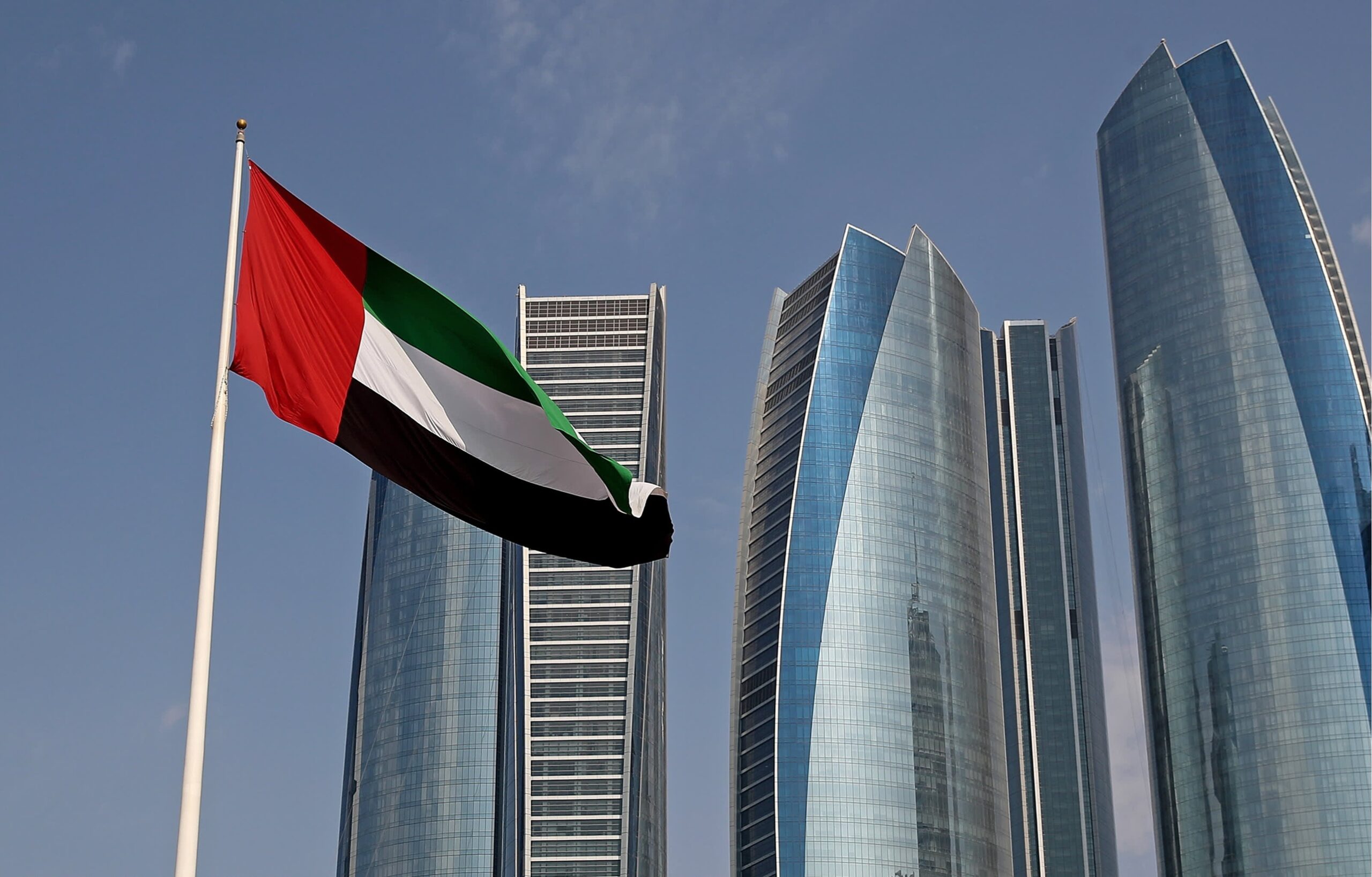
The virtual assets ecosystem in the UAE has grown exponentially since Dubai and Abu Dhabi introduced their virtual asset frameworks and regulatory guidelines, and today the scene is expanding even more with more current and entrant VASPs, as well as traditional players seeking tokenization initiatives.
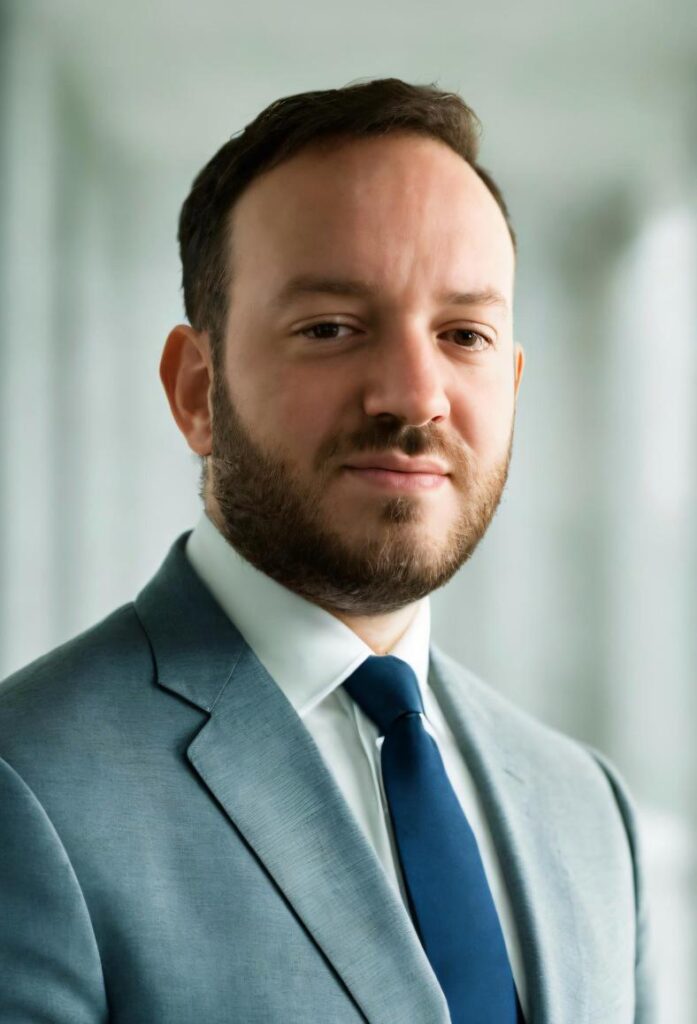
Rahim Ladjici, Chief Executive Officer and Managing Director at W3C in the UAE, emphasizes the importance of having all regulatory and compliance foundations firmly in place before obtaining a license and maintaining that discipline well beyond the licensing stage.
Speaking to Lara on the Block, Rahim shares how the ecosystem has evolved since his move to Dubai and discusses his contribution to the establishment of the Dubai Virtual Assets Regulatory Authority (VARA).
How Dubai VARA led to the creation of W3C
Rahim has built his career at the intersection of financial services, innovation, and regulation, positioning himself today as a recognized leader in the virtual assets space. The unique opportunity to help design and build the world’s first dedicated Virtual Assets Regulatory Authority marked a defining moment in his journey. It gave him not only deep regulatory insight, but also a strategic understanding of how financial institutions, blockchain technology, and virtual asset service providers must align to succeed in a regulated ecosystem.
With more than 15 years of experience in financial services consulting at Accenture and PwC in France, Rahim developed strong expertise in regulatory frameworks, transformation strategy, and financial innovation. As early as 2017, he was advising fintechs and neo-banks on blockchain integration and digital asset adoption—well before mainstream institutional interest accelerated.
He explains, “I worked with the team that established VARA from the ground up. It was an amazing accomplishment as we built the first dedicated regulator for the virtual asset industry, and we dealt with the first applicants. It was a learning process but also one where I had to use my licensing, compliance, technology and consulting experience.
According to Rahim, building a credible regulatory ecosystem rests on three core pillars. The first is consumer protection, whether retail or institutional clients. which must always remain a top priority. The second is financial stability, ensuring that VASPs entering the market are financially sound and capable of sustaining their products and services over the long term. As he notes, “Players need to be financially sound to make their products and services sustainable over time.” The third pillar is market conduct, which requires clear, fair, and consistent rules to ensure a level playing field for all participants.
Working with several VASPs per day during the regulator’s formative period gave Rahim exceptional exposure to the operational realities of the industry. This experience enabled him to develop a holistic understanding of what successful licensing truly requires, not only in terms of regulatory compliance, but also across technology infrastructure, cybersecurity resilience, business continuity planning, corporate governance, and robust, sustainable business models. This comprehensive perspective continues to shape his leadership and advisory approach within the regulated virtual assets ecosystem.
Rahim adds, “It was impressive to see how VARA anticipated industry developments and proactively developed its regulatory framework to address the various market participant models, aligning closely with the pace of innovation across the industry.”
It was at that point that he decided to launch W3C, driven by a clear mission: to help market participants embed compliance into their foundations from day one. His vision extended beyond simply guiding firms through the licensing process. He set out to support them holistically across the entire value chain — collaborating closely with banking partners, cybersecurity providers, auditors, and other critical stakeholders. Through W3C, Rahim aims to elevate industry standards, strengthen institutional credibility, and contribute to building a sustainable, globally respected virtual assets hub in the UAE.
As a specialized consulting firm serving the fintech and virtual assets ecosystem, W3C supports clients across the full lifecycle: from regulatory analysis and licensing strategy to technology infrastructure, governance frameworks, hiring requirements, and the integration of structured project management standards throughout the process.
Rahim explains, “One of our unique strengths is providing clients with a clear, real-time vision of what is happening on a daily basis. We coordinate directly with all relevant stakeholders, including law firms when required, as well as free zone authorities for company registration. We collaborate with at least five leading legal firms across the UAE, Europe, and Asia, who recognize us as subject-matter experts in this field.”
When a VASP engages W3C, the firm provides strategic guidance on selecting the most appropriate regulator based on the client’s target market, business model, and growth strategy. W3C also supports organizational build-out, including the recruitment of senior management and compliance professionals to meet regulatory expectations.
While many perceive licensing as the most challenging stage, Rahim emphasizes that the real test begins afterward. He explains, “Licensing is based on what is documented on paper. Post-licensing is where execution truly matters. overseeing trading activity, monitoring transactional data, and ensuring the day-to-day effectiveness of compliance teams. Clients continue to rely on us for ongoing operational and regulatory support.”
Through this approach, W3C positions itself not merely as a licensing advisor, but as a long-term strategic partner committed to regulatory resilience and sustainable growth.
The evolution of virtual asset market in UAE over past three years
W3C initially experienced an influx of global VASPs seeking to establish and license subsidiaries in the UAE. This was soon followed by a wave of homegrown and legacy players that had been operating prior to regulation and wanted to formalize their structures to ensure full compliance. Rahim maintains that regardless of the business model, VASPs must build their platforms with both technology and compliance embedded from the outset. In his view, platforms must be compliant by design.
He explains, “We have seen a significant number of international players enter the region, and we have supported clients across every regulated activity within the framework. from centralized exchanges and brokers to custodians, asset managers, and advisors. Some firms apply for a single activity, while others pursue broader authorizations covering four or five regulated activities.”
By the end of 2025 and into early 2026, Rahim observed a shift in market demand. “The focus has clearly moved toward tokenization. Existing clients are now looking to expand their licenses and compliance frameworks to incorporate tokenization models. We are seeing mandates to tokenize real estate, securities, real world assets, and a range of alternative assets.
More recently, clients are adopting multi-asset tokenization strategies, seeking to build platforms capable of tokenizing multiple asset classes simultaneously under a unified regulatory structure.
He explains that while this evolution is not necessarily more complex, it is significantly more comprehensive from a regulatory standpoint. “Tokenization involves several distinct regulatory layers. Some players focus on issuing or minting tokens, others on distribution, and others on listing or secondary market activity. Ultimately, however, a fully operational model requires the entire value chain. Firms must either build these capabilities in-house or establish strong partnerships to cover each regulated activity.”
He points to models such as Prypco and Ctrl Alt in the UAE as practical examples of how tokenization structures can be designed within the regulatory perimeter illustrating how issuance and distribution, and platform operations must align under a coherent compliance framework.
A regulator like VARA wants to ensure the market is safe while protecting its reputation. He notes, “VARA’s reputations is global, everyone knows about VARA, as such VASPs need to demonstrate compliance to rulebooks and ensure they bring in the right people, good corporate governance.
The Future: Expansion and Passporting
W3C has already supported a wide range of clients from established players to high-growth startups. While the firm maintains global, it also plans to establish a physical presence in Saudi Arabia by the end of 2026, in anticipation of evolving regulatory frameworks in the Kingdom.
Looking ahead, Rahim believes the industry must move toward regulatory passporting. He explains, “As regulatory systems mature and stabilize, passporting will become essential. Operating under different licenses across multiple jurisdictions remains a significant challenge for market participants. A framework built around regulatory cooperation and data sharing could make cross-border recognition possible.”
He observes that early indicators of this trend are already emerging. “For example, VASPs seeking authorization in Europe under MiCA are often viewed more favourably if they already hold — or are in the process of obtaining — a VARA license. Regulatory credibility in one leading jurisdiction increasingly reinforces positioning in others.”
For Rahim, the future of the industry lies in stronger regulatory alignment, cross-border recognition, and the development of a more interconnected and institutionally robust global virtual assets ecosystem.