




Tokenization of Water will be on the table soon says GoldMan Sachs
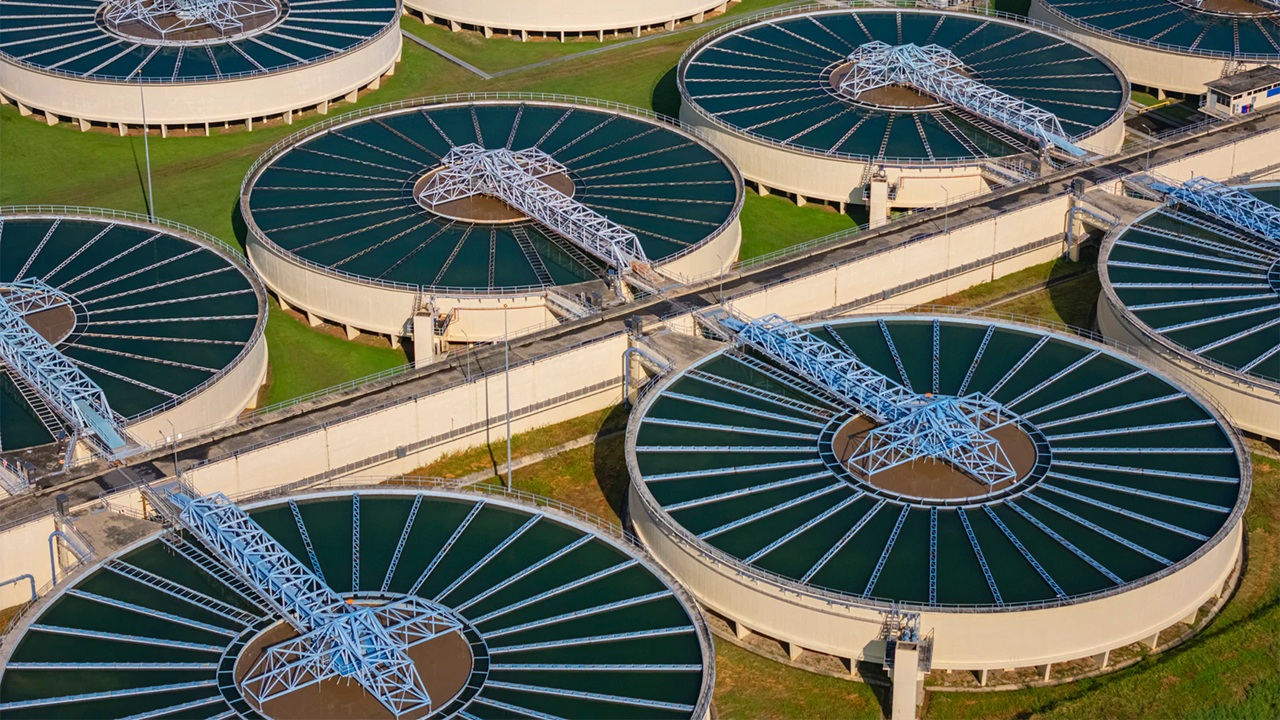
Tokenization is now entering the water sector and will be on the table soon. Goldman Sachs has issued a report that discusses the strategic and financial importance of water and the upcoming tokenization of water as a promising approach to the challenges facing water markets.
As per the report, tokenization can be used both to solve challenging water market issues for example, by injecting liquidity and turning rights into traceable tokens that track water use across market participants and at different jurisdictional layers—and water infrastructure financing challenges.
The report also notes that tokenized financing can deliver credits for companies that conserve or recycle water through connections to flow meters.
The report mentions that the UAE is testing a water-backed digital token that links verified physical water volumes to a tradable digital asset, with the aim of improving transparency and liquidity and connecting water more directly to capital markets. Because tokenization tends to be most effective in the context of liquid water rights and clear market structures, this innovation highlights the complementary relationship between market-oriented reforms and the deployment of innovative financing.
GoldMan Sachs explains that while water covers 71% of the earth’s surface only 3% of world’s water is fresh. Access to that supply is increasingly scarce, contested, and misallocated. Meanwhile, the infrastructure and technologies that determine water availability remain chronically underinvested, leaving a widening gap between supply and demand.
Because of this water demand is rising as 2.1 billion of people globally still lack access to safe portable water. At the same time, water infrastructure is becoming more exposed to geopolitical risk, as seen in recent strikes against desalination facilities in the Middle East. As a result, water is no longer viewed as solely a development-related concern—it is increasingly understood to be a primary strategic issue for businesses, governments, and society.
The World Economic Forum3 estimates that the global need for cumulative total investment through 2040 in water infrastructure is €11.4 trillion, €6.5 trillion more than current investment levels.
This need is particularly vital for sectors that are politically and socially important, including agriculture, energy, manufacturing, and technology. Agriculture alone accounts for over 70% of global freshwater withdrawals. Meanwhile, the technology industry’s rapid growth is boosting global demand for water. The International Energy Agency estimates current global data-center water use at roughly 560 billion liters annually, a figure that could double by 2030, to 1.2 trillion liters. Water also underpins other key physical infrastructure central to technology ecosystems, including electricity-generating assets and semiconductor fabrication plants.
In the Middle East and North Africa, among the most water-scarce regions in the world, water prices are often around 35% of actual costs.5 Such subsidies serve important social purposes. They can also affect investment incentives, distort allocation, and obscure the challenges of aging infrastructure, leakage, unreliable service, and weather exposure.
Water infrastructure is structurally challenging to finance and capital-intensive, with long time horizons for returns. Large-scale projects, such as desalination plants and wastewater recycling facilities, require significant up-front capital investments and operate over multi-decade time frames.
The rise of the data center economy is adding new pressures on water supply in developed and developing economies alike. Data center cooling and power generation both require substantial water. In the United States, roughly two-thirds8 of data centers constructed or planned since 2022 are located in regions facing severe water stress, which could limit the ability to cool and manage heat produced by AI infrastructure. Data center–related water demand could push some local water systems into deficit by 2030 without major infrastructure upgrades. Similar dynamics may play out in other regions where the AI industry is growing, including in Gulf states, where governments have prioritized AI infrastructure and are building domestic technology industries in some of the most water-stressed environments on Earth.
There is a growing range of options to address these challenges. Market mechanisms are beginning to price water more effectively, private capital is increasingly flowing into water infrastructure, and technological innovation in areas such as desalination, wastewater recycling, and smart water management is attracting investment.
Addressing the global water challenge will require coordinated action across governments and private markets. Closing the investment gap will mean greater capital deployment but also governance reforms, including with regard to pricing, transparency, and water rights frameworks that allow supply to reach its highest-value uses. Geopolitical cooperation will be critical as transboundary water disputes and infrastructure vulnerabilities increasingly intersect with national security. The decisions made in the coming decade about how water is priced, financed, and managed are likely to drive market opportunities and shape economic resilience, social stability, and environmental sustainability.