






Tokenization transactions in MENA surge by 344.9 percent
A new white paper by Mastercard and Checkout.com reveals a massive year-on-year surge in tokenization transactions processed through Mastercard in the MENA region at 344.9%.
As per the paper MENA region has emerged as one of the world’s fastest accelerating regions for network tokenization. This trend is fueled by rapid digital commerce growth and ecosystem commitments, such as one of the region’s largest network tokenization enablement programs, launched last year by the two companies.
The global report, titled ‘Network tokenization: Powering the e-commerce of today and tomorrow’, highlights the importance of tokenization as the foundation for the future of digital commerce.
Some key findings of the report noted that MENA tokenization adoption recorded as one of the world’s fastest growth at 344.9%, 77.5% in Europe and the UK, 77.1% in Asia Pacific and 56% in North America.
Additionally on average, tokenized transactions resulted in a 3-6 ppt improvement in approval rates compared to conventional card transactions. False declines cost merchants worldwide $443 billion annually, making approval uplift an important driver of increased revenue.
While Checkout.com’s global merchant portfolio saw a 10.3 ppt increase in transaction approval rates, rising to 12.4 ppt in the MENA region, as well as a 49% reduction in fraud-related chargebacks and a 7.2% boost in gross sales revenue.
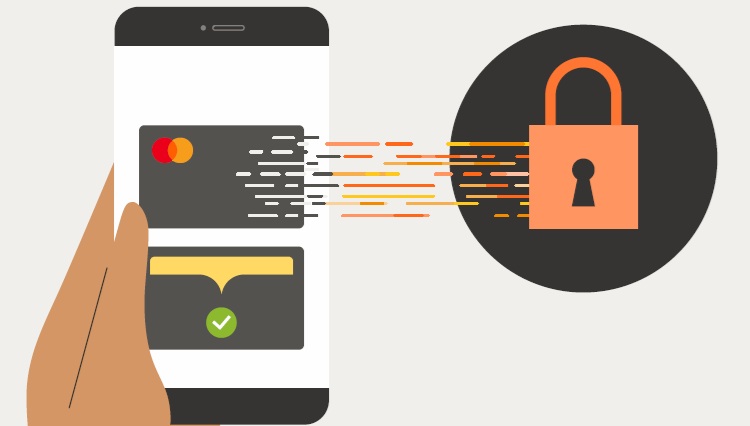
Tokenization replaces a payment card number with a token, or stand-in number. This protects a consumer account because the merchant never sees or stores the original number, and even if a physical card is lost or stolen, the tokenized version can still be used. This way, tokenization safeguards sensitive data and secures every transaction.
In addition, tokenization enables fast, frictionless checkouts that can deliver enhanced payment experiences to consumers and meaningful financial benefits to merchants. Fewer unnecessary declines reduce transaction retries as well as switching and processing costs, while lower fraud exposure decreases operational and risk management expenses.
“At Mastercard, we’re focused on delivering payment experiences that are both seamless and secure. Tokenization plays a critical role in this, helping reduce false declines, improve approval rates and strengthen protection across every transaction. As adoption accelerates, it’s clear that businesses investing in tokenization today are not only improving performance, but also building the foundation for the next phase of digital commerce,” said Prakriti Singh, executive vice president, Core Payments, EEMEA, Mastercard.
Globally, markets with strong regulatory frameworks, such as India, are approaching near‑total tokenization. Other key markets across North America, Europe and Asia Pacific continue to build scale,
while Latin America and the Middle East, with more customers recognizing value in tokenization are accelerating momentum and building scale rapidly.
This global growth underscores the increasing recognition of network tokenization as a strategic lever for helping to improve approval rates, reduce fraud and minimize friction across checkout experiences. It also reflects the expanding commitment from issuers, acquirers, PSPs and merchants to build a safer, more resilient digital payments environment.
According to the whitepaper markets with advanced digital ecosystems and high e-commerce penetration tend to adopt tokenization faster. Token-positive regulations and broader ecosystem commitments help drive adoption. Acquirer and issuer enablement: Acquirer readiness and issuer enablement is strong across all regions.
Related Articles

The Saudi headquartered Digital Cooperation organization magazine covers topics on digital assets and tokenization
August 8, 2024
UAE M2 crypto exchange,custodian and investment platform launches Bitcoin Ethereum yield product
October 10, 2023